
How Public Housing Differs From LIHTC and Vouchers
Compare ownership, how rent is set, the application path, and income rules to pick the right program.
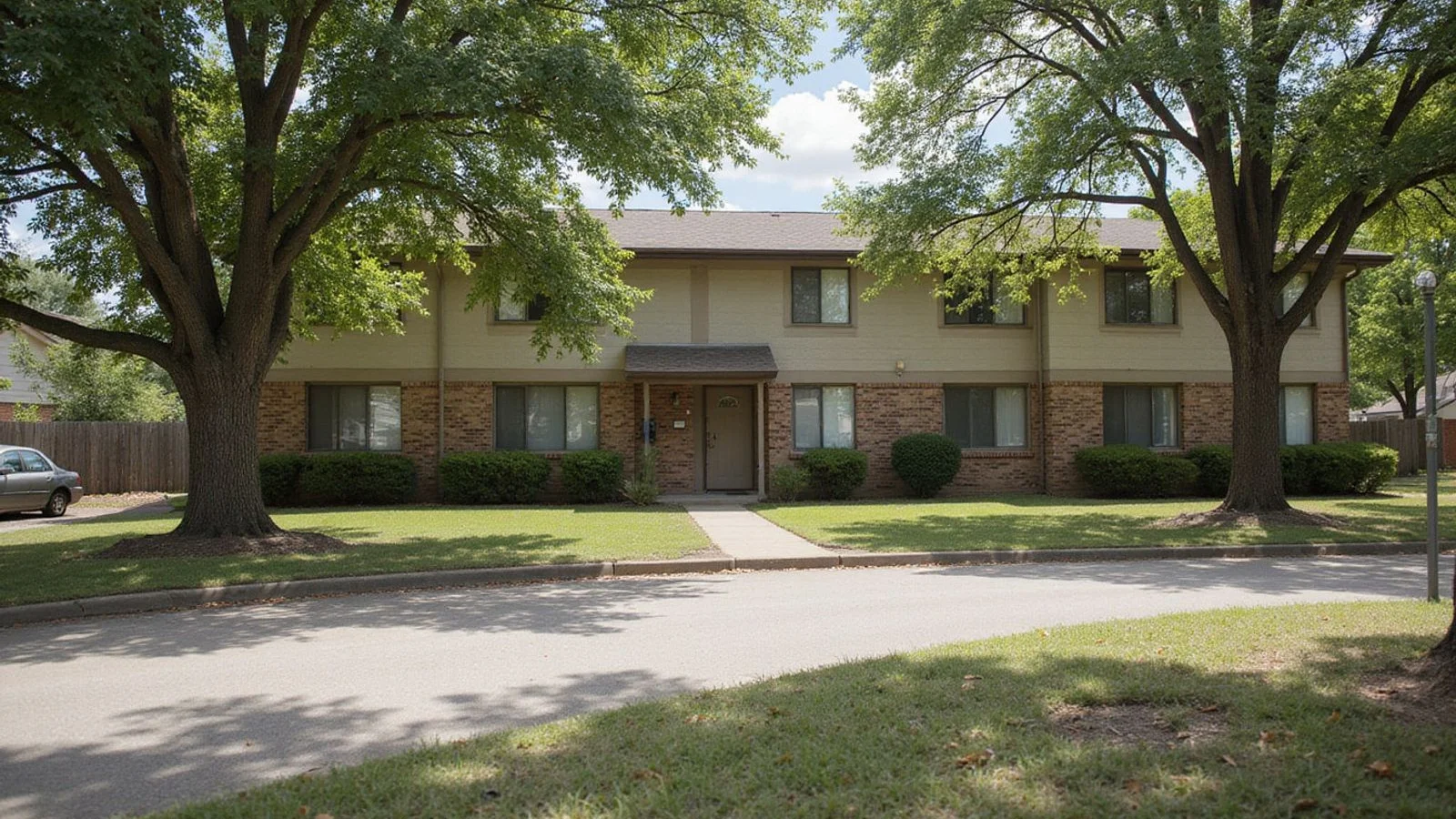
The Three Program Structures
Public housing: PHA (government) owns the unit; you rent from the PHA; rent is a share of your income.
LIHTC: private owner; rent capped by AMI tier of the unit; rent doesn’t move with your personal income.
Section 8 voucher (HCV): PHA gives you a portable subsidy; you use it at any accepting private property; you pay ~30% of your income and the voucher covers the rest.
Side-by-Side
| Factor | Public Housing | LIHTC | Section 8 (HCV) |
|---|---|---|---|
| Who owns | PHA | Private | Any accepting private |
| Rent basis | ~30% of income | Tier-capped | ~30% of income |
| Portable | No | No | Yes |
| Apply to | PHA | Property | PHA + property |
| Wait | 1-5 years, some closed | Days to months | PHA waitlist + search |
When Each One Fits
Public housing: deepest affordability for very-low-income households; long wait; PHA-managed.
LIHTC: faster placement; fixed tier-capped rent; private ownership.
Voucher: portability; income-based rent; PHA waitlist for the voucher itself.

Why We Recommend Applying to More Than One
Public housing waitlists are long. LIHTC placement is faster. Applying to LIHTC now (fast option) while staying on a public housing waitlist (long option) gives you the best of both.