About This Program
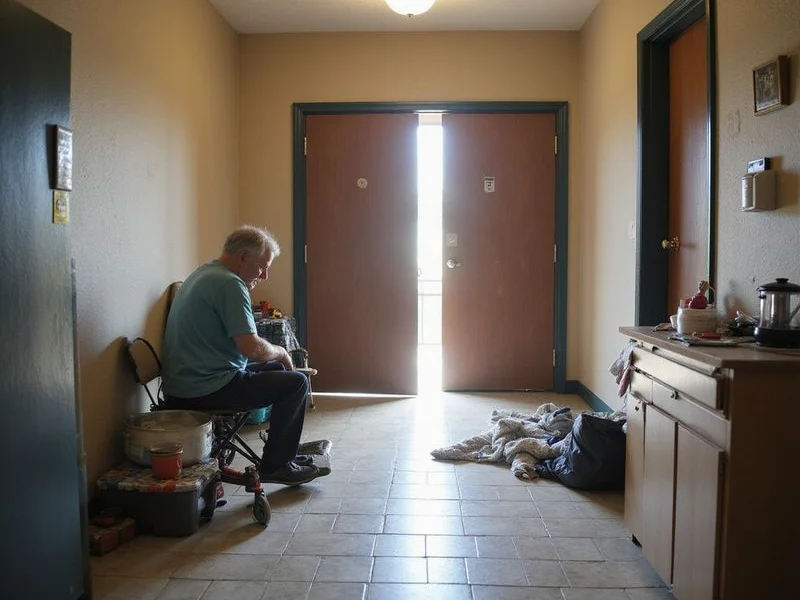
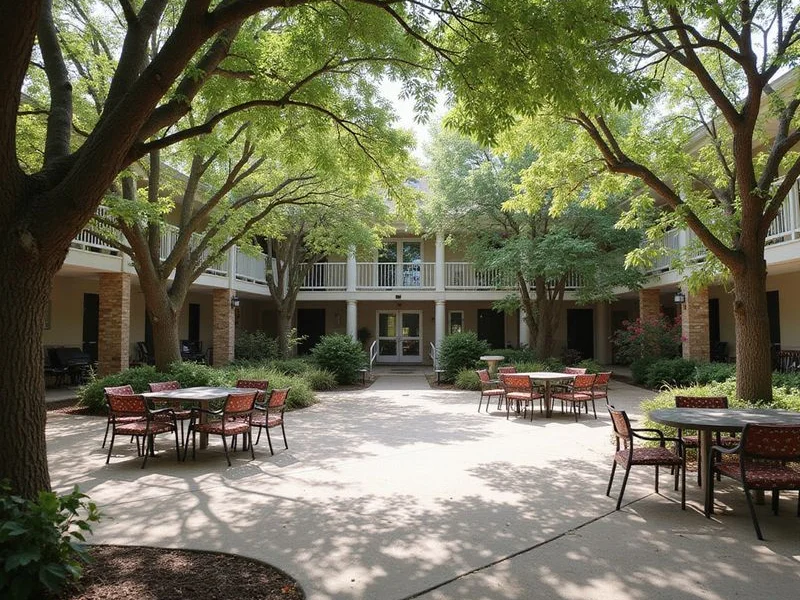
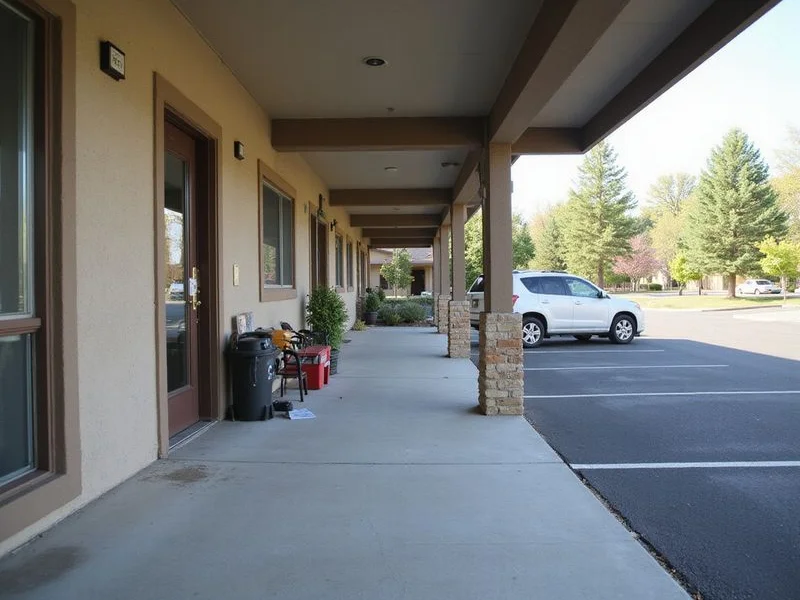
Age-qualified affordable communities (often 55+ or 62+) are built for seniors on a fixed income, but the qualification math is its own puzzle. You may meet the AMI cap yet fall below a property's income minimum. Our licensed team at Income Restricted Apartments (TREC #679806) explains how benefit income counts, identifies which communities are more flexible on minimums and co-signer options, and matches you to age-qualified units accepting applications across Texas.
Two Barriers to Senior Income Restricted Housing
Senior income restricted housing in Texas presents two qualification hurdles, and most listing sites solve neither:
- Income cap: like all income restricted housing, senior units cap income at a percentage of Area Median Income. Your fixed income must fall below the 2026 HUD limit for your household size and metro.
- Income minimum: many properties also set a floor (commonly 2x to 2.5x rent). For a senior on SSI, SSDI, or a modest pension, meeting the cap is easy but meeting the minimum is where applications stall.
Our team solves both. First, we check your qualifying tier against current AMI brackets in Austin, Houston, Dallas, San Antonio, or Fort Worth. Second, we know which communities across Texas are flexible on the minimum or accept guarantee and co-signer options, and which senior-designated programs like Section 202 do not apply a rigid minimum at all.
55+ vs 62+ Age-Qualified Communities: How They Differ
62+ communities align with federal HOPA rules for senior housing. The head of household must be 62 or older. These often have services aimed at seniors and can include HUD Section 202 properties funded through the U.S. Department of Housing and Urban Development.
55+ communities allow a younger age cutoff. Federal HOPA requires that at least 80% of units be occupied by at least one person 55 or older. Amenities may be less senior-specific, but LIHTC-funded 55+ properties administered through TDHCA are common in Houston, Dallas, and San Antonio.
Both types follow similar income rules; the age boundary is the main functional difference. If you’re between 55 and 62, we match you to whichever community type fits your metro and income tier.
How We Match SSI, SSDI, and Pension Renters
If your income is SSI, SSDI, a pension, or a mix:
- We use your benefit award letter and any other verifiable income to build your qualifying picture.
- We identify senior-designated communities where compliance offices understand benefit income and often have more flexible minimums.
- We check for Section 202 and Section 811 openings where relevant. These are specifically funded for very low-income seniors and people with disabilities, administered through HUD and available in all five Texas metros.
- We explore guarantor and co-signer options at properties where a family member can help you meet the minimum.
- We check voucher compatibility if you have a Housing Choice Voucher, which is often the strongest affordability path for fixed-income seniors.
Requesting Accessible Senior Apartments
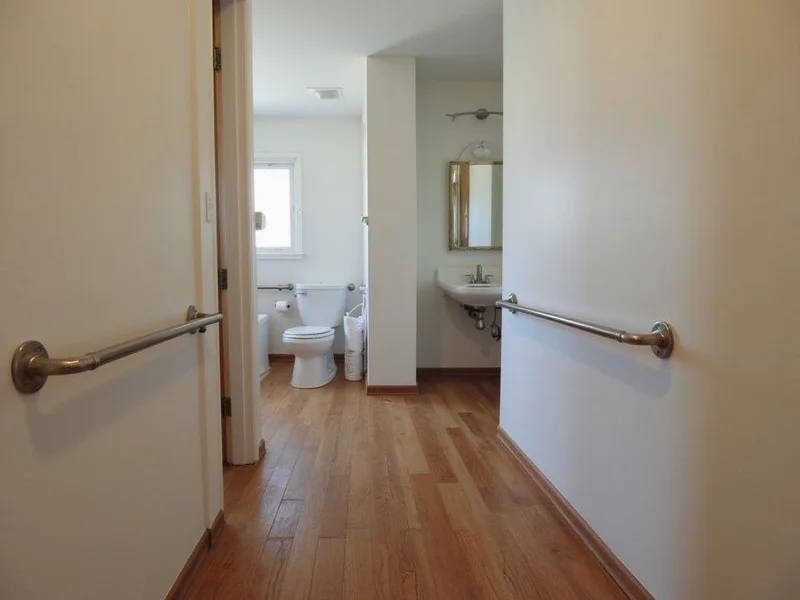
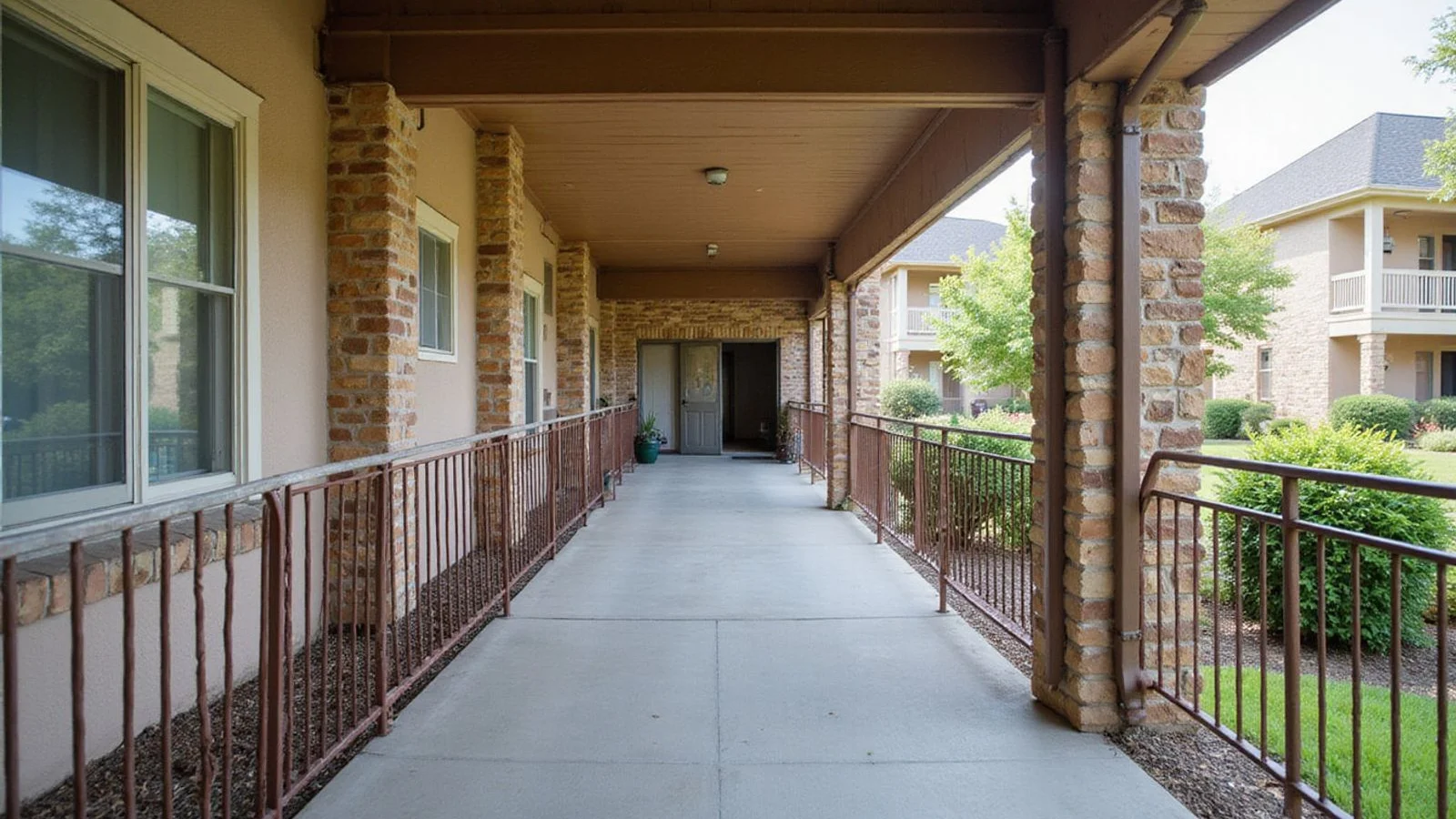
If you need a wheelchair-accessible unit, grab bars, ramps, wider doorways, or a ground-floor placement, let us know during your free intake. We track which Texas senior communities have ADA-compliant accessible set-asides and which routinely approve reasonable accommodation requests under the Fair Housing Act.
How Our Senior Housing Match Compares
| Feature | Typical DIY Search | Our Licensed Team |
|---|---|---|
| Pre-screening | None - apply and risk losing $50-$150 in fees | Full profile review before any application |
| SSI/SSDI income handling | Property-by-property guesswork | Direct knowledge of flexible communities |
| Application fees | Non-refundable per attempt | Rebated on approval and lease signing |
| Metro coverage | One city at a time | Austin, San Antonio, Houston, Dallas, Fort Worth |
| Language support | English only at most sites | Bilingual English and Spanish |
What We Won’t Do
- We won’t tell you a waitlist is short when it’s not. Senior lists at Section 202 communities in particular can be long.
- We won’t push you into a community where the minimum income doesn’t work, even if we could technically place you.
- We won’t skip the fair-housing basics. We don’t screen on protected class; we only match against community-published income and screening rules.
Related Programs
- LIHTC Apartments: general LIHTC that may also have senior-designated units
- Section 8 Voucher Apartments: voucher use at senior communities
- Public Housing: PHA senior-designated communities
Start with the free 5-minute intake. Tell us about your income type - Social Security, pension, or SSI/SSDI - and Income Restricted Apartments will match you to open senior communities in Austin, San Antonio, Houston, Dallas, or Fort Worth.