About This Program
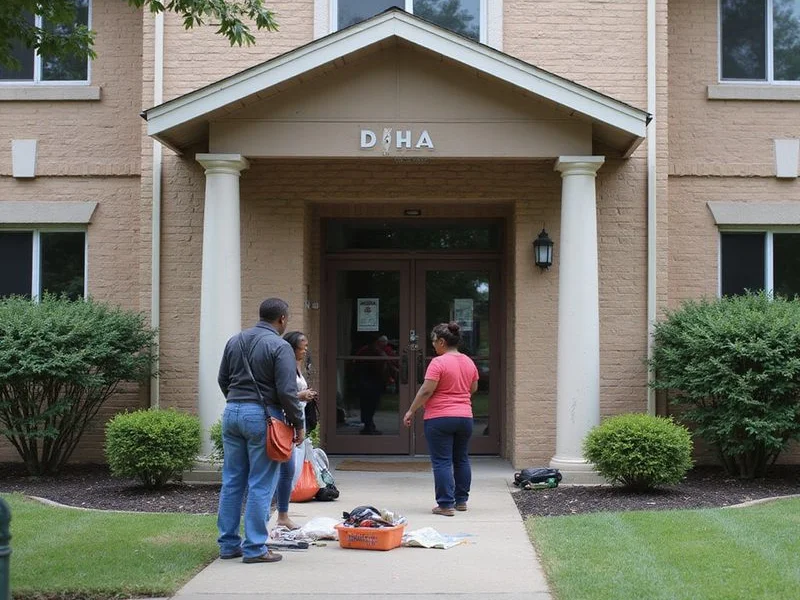
Public housing means apartments owned by your local Public Housing Authority (PHA), where rent is set as a share of your income. It works differently from LIHTC and from vouchers: you apply directly to the PHA, and waitlists can be long or closed. We help you understand which Texas PHA serves your metro, how the application and waitlist work, and whether public housing or a LIHTC community is the faster path.
How PHA-Owned Housing Works
Income Restricted Apartments helps Texas renters navigate public housing - apartment communities owned and managed by a local Public Housing Authority (PHA). Each PHA is a government body funded partly by HUD, and rent is set at roughly 30% of your adjusted gross income, so it moves with your earnings. Our licensed team (TREC #679806) has guided over 1,000 renters across Austin, San Antonio, Houston, Dallas, and Fort Worth through PHA applications at no cost.
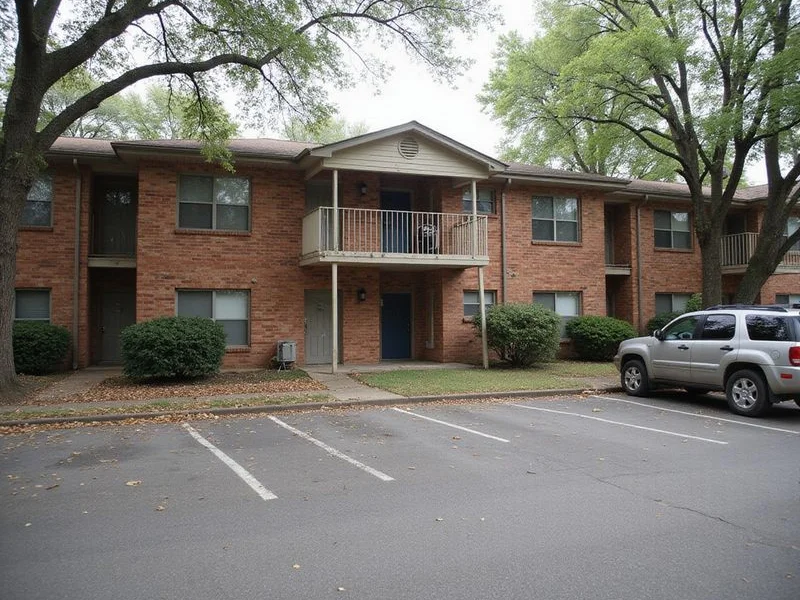
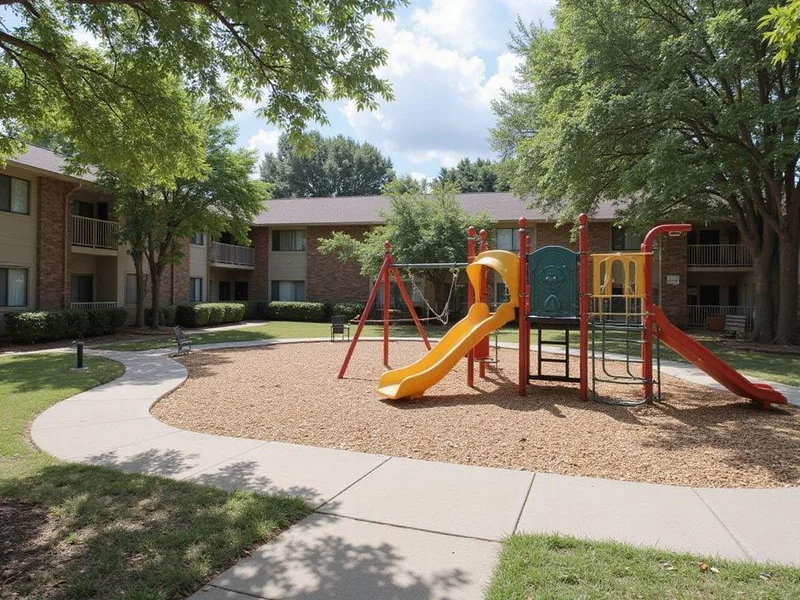
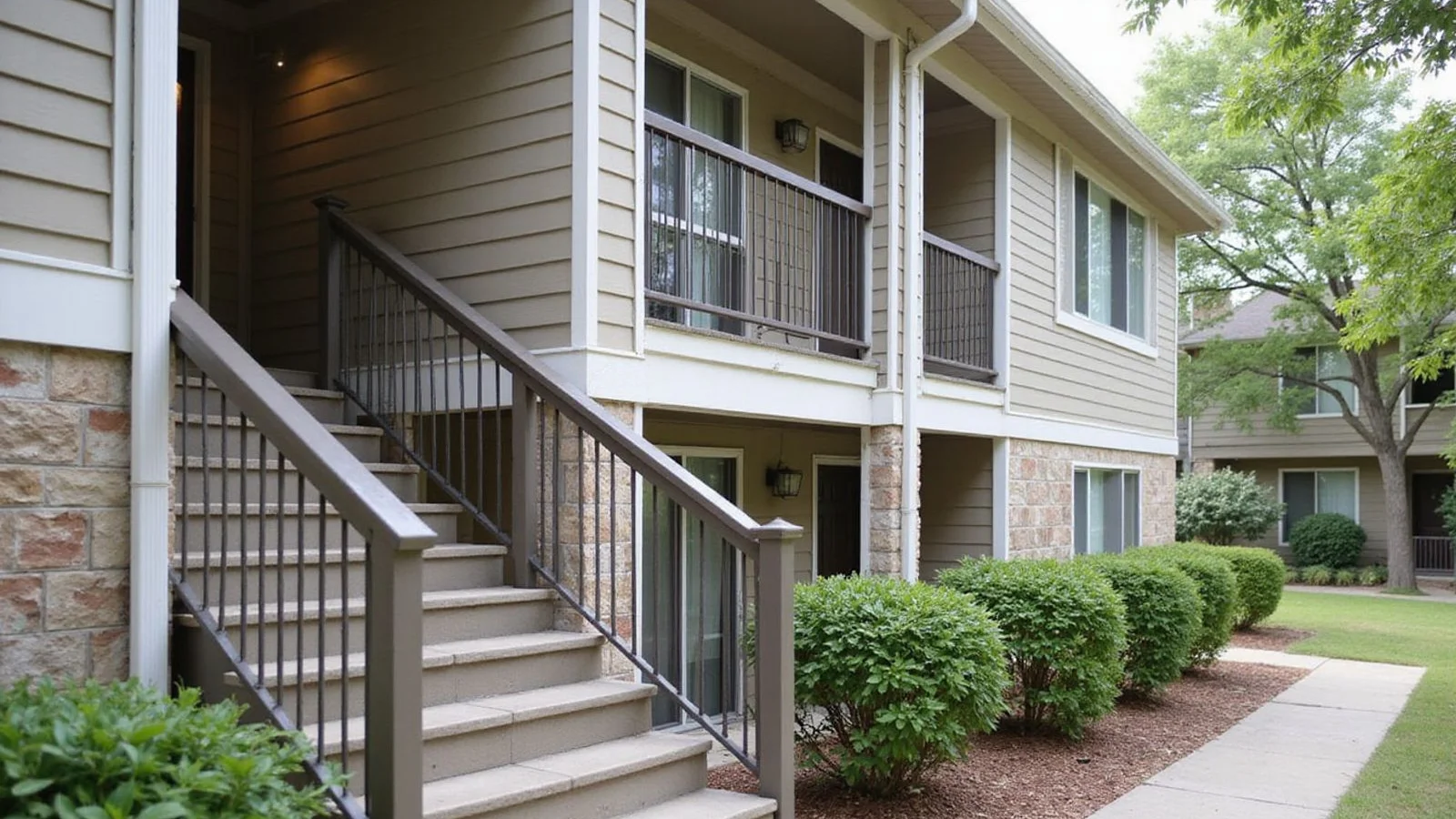
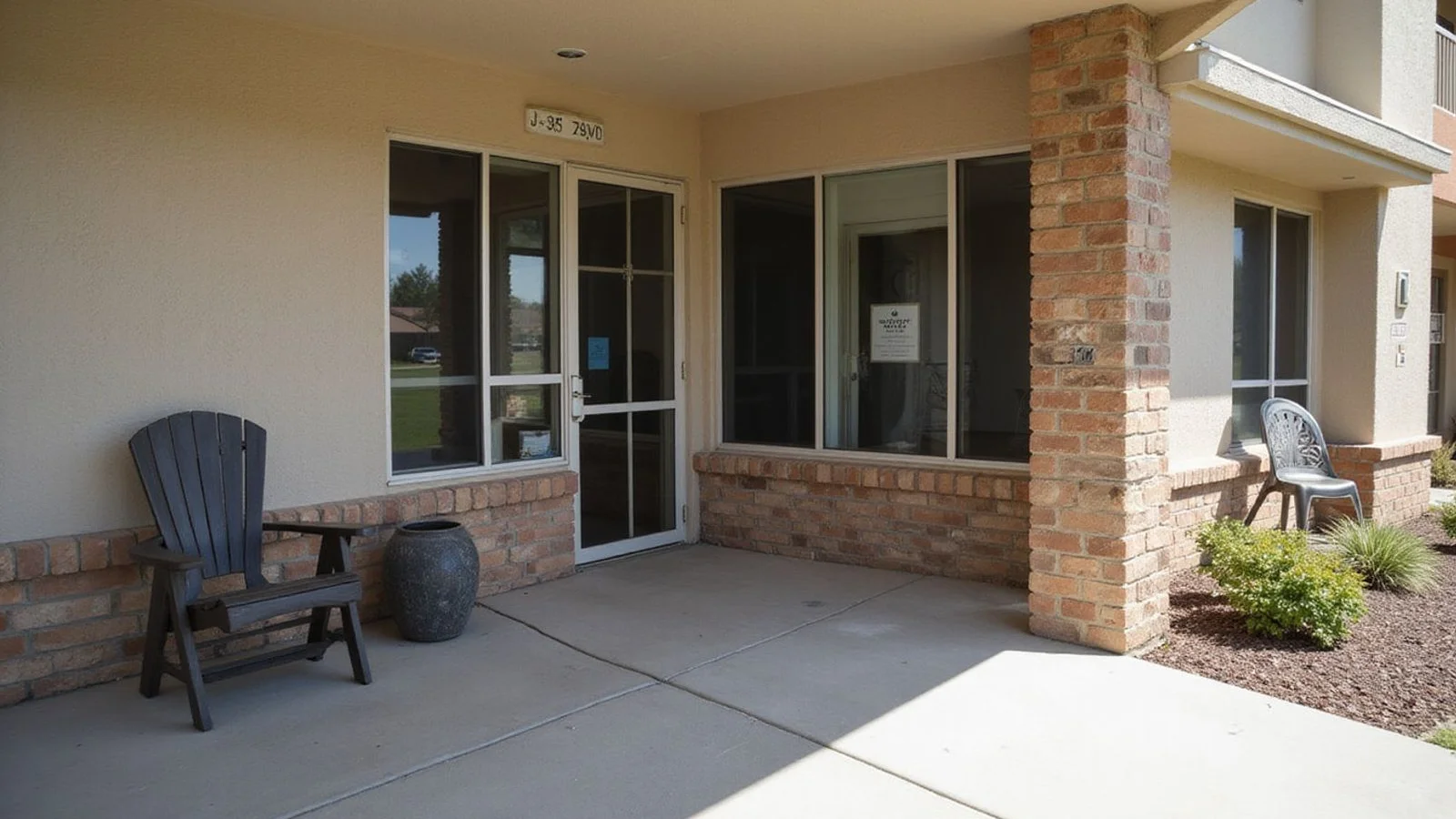
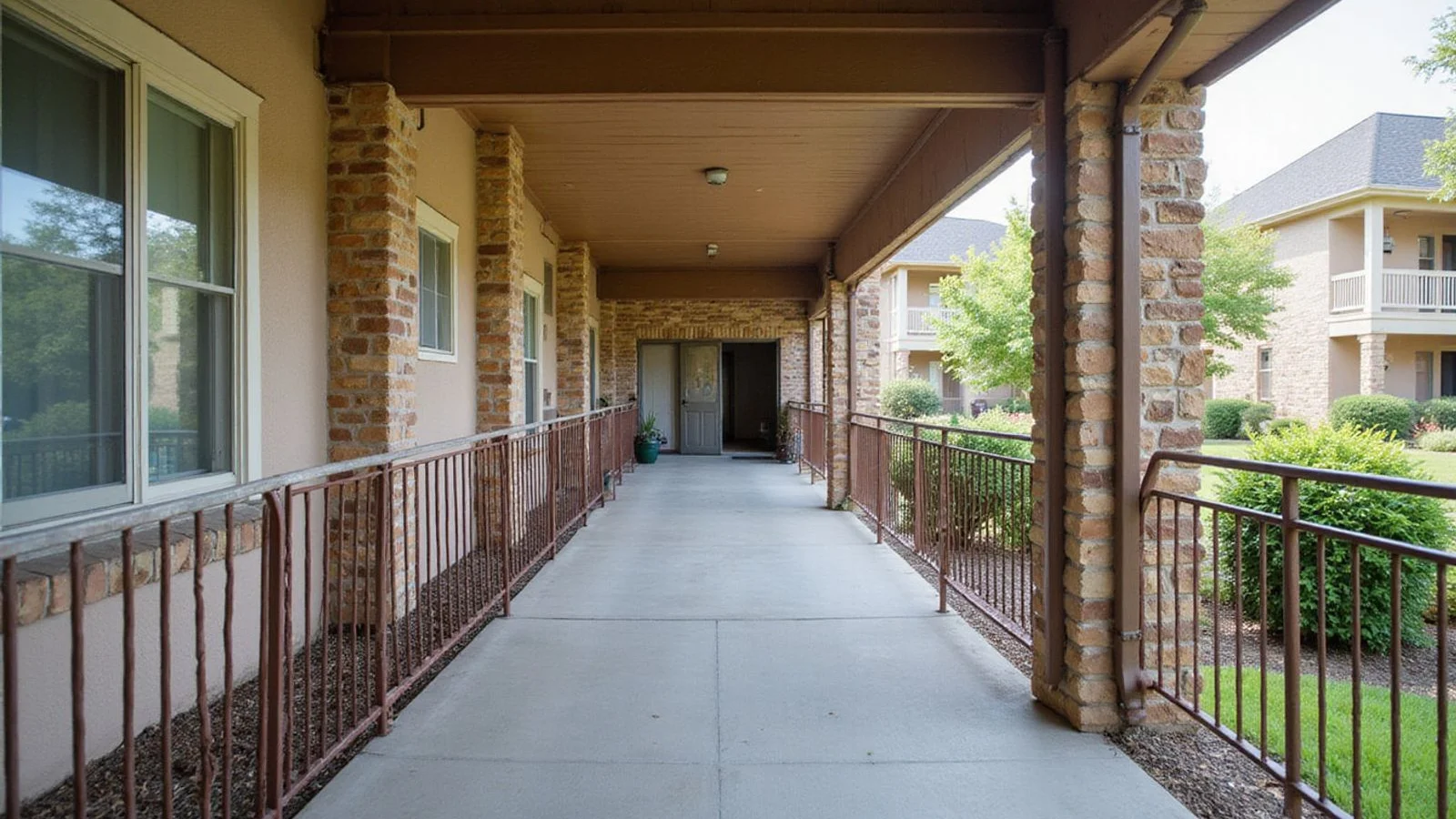
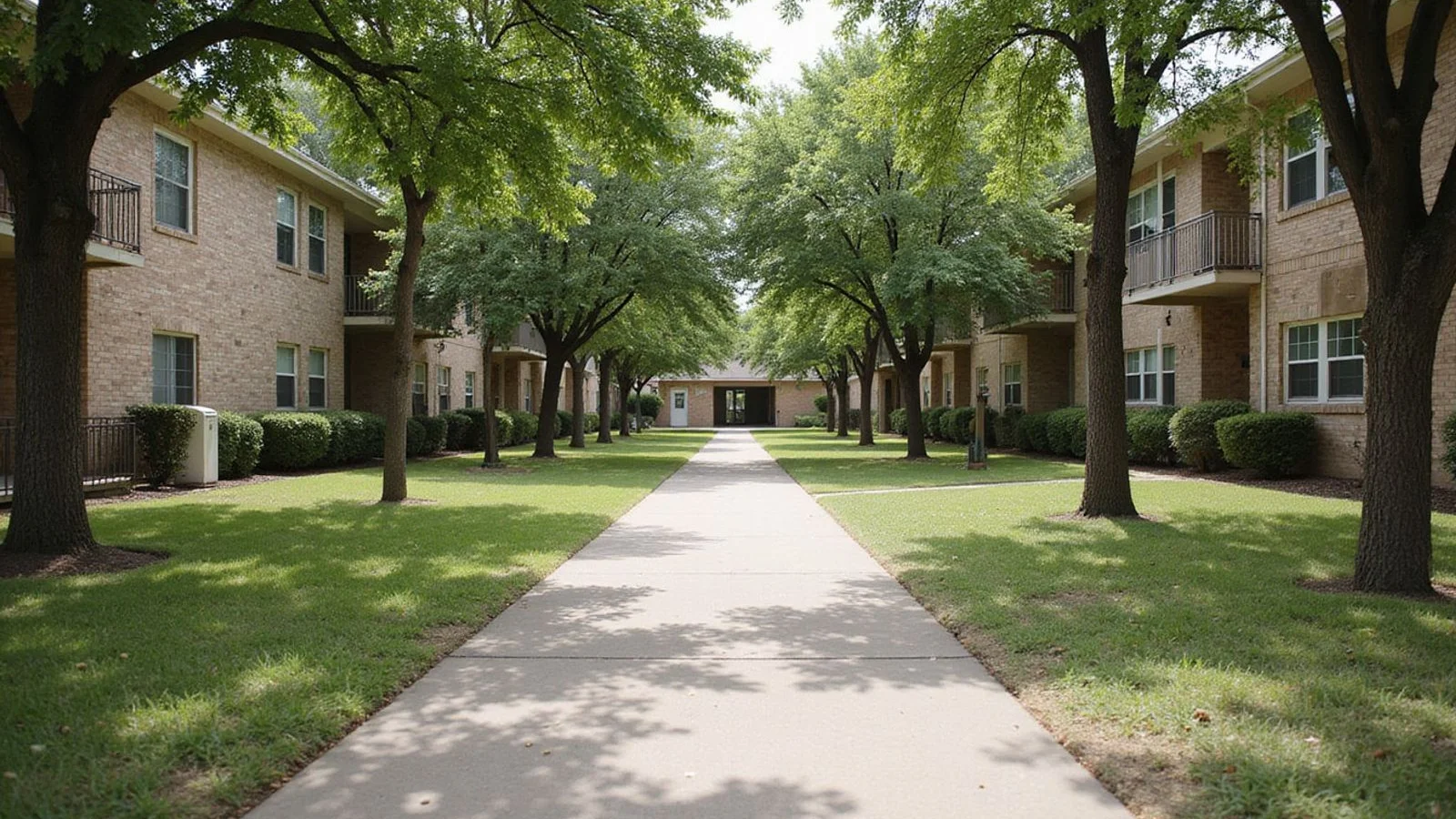
These communities include garden-style apartments, townhome-style units, and mid-rise buildings. They differ from:
- LIHTC: privately owned, rent capped by AMI tier, not by your specific income
- Section 8 vouchers: a subsidy you use at a private landlord’s property
- Project-based Section 8: subsidy tied to a specific privately owned unit
Which Housing Authority Covers Your Metro
| Metro | Housing Authority |
|---|---|
| Austin | Housing Authority of the City of Austin (HACA) and Housing Authority of Travis County (HATC) |
| San Antonio | Opportunity Home San Antonio (formerly SAHA) |
| Houston | Houston Housing Authority (HHA) |
| Dallas | Dallas Housing Authority (DHA) |
| Fort Worth | Fort Worth Housing Solutions (FWHS) |
Each PHA has its own portfolio, waitlist rules, and application process. HACA manages properties across Travis County, while HHA oversees communities in Third Ward, Sunnyside, and other Houston neighborhoods. DHA operates units in West Dallas, South Dallas, and Pleasant Grove. We know all five housing authorities and their current status.
Public Housing Waitlist Times and How to Get On
PHA waitlists in Texas can run months to years, and some are closed entirely. When a housing authority opens a waitlist, applications may only be accepted for a limited window - sometimes a week or two - then closed again. Preferences for veterans, people with disabilities, elderly households, and working families can move you up the list.
As of 2026, most Texas PHAs accept online applications during open enrollment periods. We monitor all five housing authorities, tell you the current status honestly, and coordinate parallel LIHTC applications so you have a faster path if one opens up.
How We Help You Get Placed
- We identify which PHA serves your metro and what their current waitlist status is.
- We help you understand the application and any preferences you qualify for.
- We coordinate parallel applications to LIHTC communities so you’re not waiting on a single list.
- We stay in touch so if your PHA list opens or your LIHTC application moves, we know and you know.
- The service is free - communities pay referral fees, never you.
How We Compare
| What You Get | Applying on Your Own | Using Income Restricted Apartments |
|---|---|---|
| PHA waitlist tracking | You check each PHA website yourself | We monitor all five Texas PHAs and alert you when lists open |
| Parallel LIHTC applications | You research communities on your own | We coordinate LIHTC applications at the same time |
| Profile pre-screening | None - you find out at rejection | We pre-screen your profile before you apply |
| Application fee risk | Non-refundable $50-$150 per property | Fee rebate on approval and lease signing |
| Cost to you | Free (PHA is free) | Free - communities pay us, never you |
How Public Housing Rent Is Calculated
For most PHA-managed units, your monthly rent is approximately 30% of your adjusted gross income, minus deductions for medical expenses (elderly/disabled households), childcare, and dependents. Some PHAs offer a flat-rent option if you prefer a fixed number.
There can be a minimum rent (often $50 or less) and a ceiling rent based on the unit’s operating cost. Utility allowances apply when you pay utilities directly - the PHA subtracts that allowance from your rent calculation. Income is verified at move-in and through annual recertification every 12 months. Residents in some PHAs also have a community service requirement of eight hours per month unless exempt.
Because rent is income-based, a raise means your rent goes up. That differs from LIHTC, where the tier caps rent regardless of a raise up to a point.
What RAD Conversions Mean for Renters
Some former public housing communities have been converted through the Rental Assistance Demonstration (RAD) program. RAD shifts the property to project-based Section 8 or LIHTC financing to fund rehabilitation. Rent still follows an income-based formula, but the management and legal structure may change. The Income Restricted Apartments team explains each community’s current status when we match you, so you know exactly what you’re applying to.
Related Affordable Housing Programs
- LIHTC Apartments: often the parallel path we recommend while you wait
- Section 8 Voucher Apartments: if you’re weighing a voucher vs PHA housing
- Senior Housing: PHA and other age-qualified affordable options
Start with the free 5-minute intake and we’ll map the right combination for your household.