
How LIHTC Rent and AMI Limits Work
How 30/50/60/80% set-asides work, why a property mixes tiers, and a worked rent example for Texas LIHTC apartments.
The Two Ideas That Matter
- AMI tier sets the rent cap for that unit. 60% AMI means the rent can’t exceed 30% of 60% of the metro’s AMI (for the assumed household size for the bedroom count).
- Set-asides: a LIHTC property must have a specified share of its units at specific AMI tiers. Common structures: minimum 40% of units at 60% AMI, or minimum 20% at 50% AMI. Some properties choose deeper: all units at 60%, or a mix of 30/50/60/80%.
Worked Example (Illustrative Only)
Say a metro’s AMI for a 3-person household is $75,000. A 2-bedroom unit assumes a 3-person household (some jurisdictions use “1.5 persons per bedroom” rules). At the 60% AMI tier:
- 60% AMI: $45,000/year for 3-person
- 30% of that: $13,500/year in rent
- Divided by 12: $1,125/month gross rent
- Minus, say, $75/month utility allowance if the tenant pays gas and electric: $1,050 net rent
Actual numbers vary by metro and year. This is just to show the calculation shape.
Why a Property Mixes Tiers
Developers choose the tier mix based on:
- Financing requirements (9% LIHTC is deeper; 4% often shallower)
- Local demand and market rents
- Property owner strategy
- QAP allocation criteria in Texas
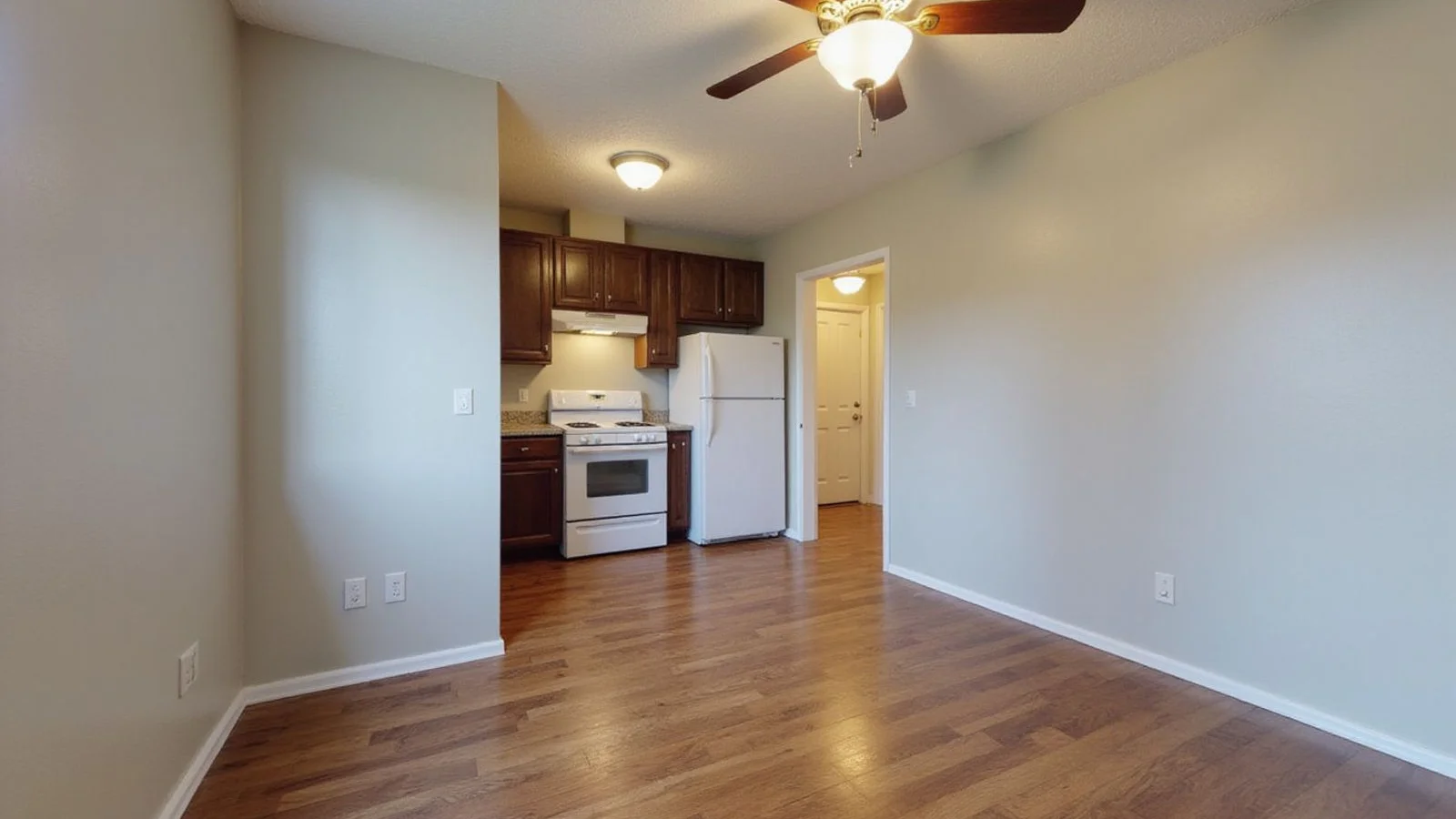
The result is that even inside one building, your neighbor might be in a 50% unit while you’re in a 60% unit, with the same layout and finishes but different rent caps.
What This Means for You
- Your qualifying income tier is set at move-in
- Your rent stays capped by that tier
- A raise doesn’t automatically raise your rent
- Recertification checks whether your income has crossed 140% of the tier; if not, you’re fine
Related Reading
Frequently Asked Questions
How is LIHTC rent calculated?
Capped by an AMI tier (e.g., 60% AMI), not by your personal income. The cap is calculated as 30% of the tier's imputed income for the assumed household size for that bedroom count, minus a utility allowance if you pay utilities.
Can one property have different AMI tiers?
Yes. Many LIHTC properties mix tiers, so a single building might have 50%, 60%, and 80% units side by side with the same finishes and amenities.
Why does my rent stay the same if I get a raise?
Because LIHTC rent is capped by the tier of the unit, not by your personal income. A raise doesn't automatically raise your rent, up to the 140% over-income threshold.